
PEAK TO PEAK - Septic system maintenance might sound overwhelming, but it’s like brushing your teeth; it’s about consistency and not letting things get out of hand. Here are four key habits (and a bonus tip) for keeping your septic system in...
This item is available in full to subscribers.
At this time, we ask you to confirm your subscription at www.themtnear.com, to continue accessing the only weekly paper in the Peak to Peak region to cover ALL the news you need! Simply click Confirm my subscription now!.
If you are a digital subscriber with an active, online-only subscription then you already have an account here. Just reset your password if you've not yet logged in to your account on this new site.
Otherwise, click here to view your options for subscribing.
Questions? Call us at 303-810-5409 or email info@themountainear.com.
Please log in to continue |
PEAK TO PEAK - Septic system maintenance might sound overwhelming, but it’s like brushing your teeth; it’s about consistency and not letting things get out of hand. Here are four key habits (and a bonus tip) for keeping your septic system in tip-top shape.
Pump and inspect
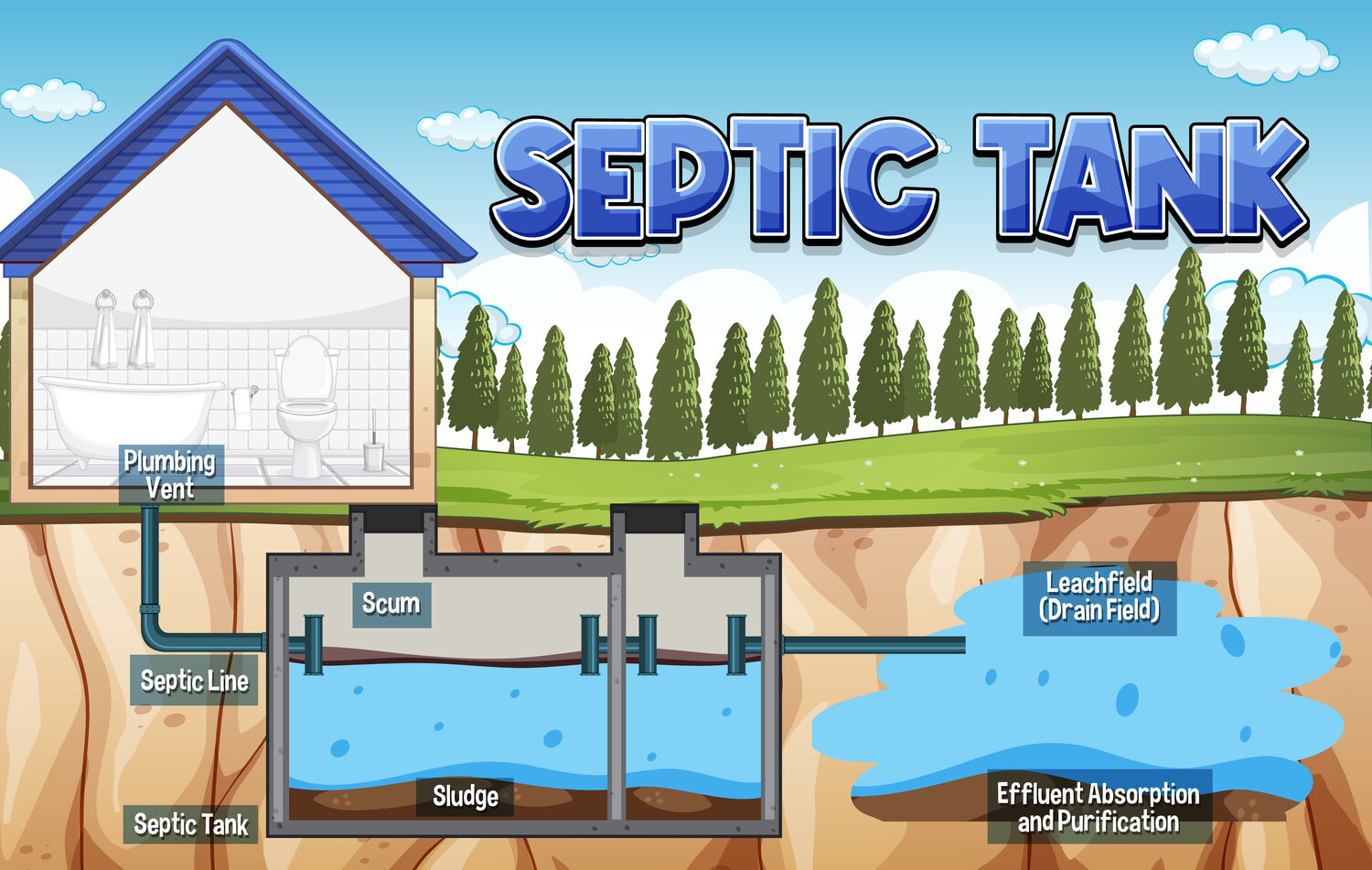
Your septic system is an essential part of your home, managing wastewater out of sight. To keep things running smoothly, regular maintenance is necessary. Typically, the tank requires pumping every three to five years, though alternative systems with additional components like electrical switches and pumps may need more frequent servicing.
Factors such as household size and the amount of wastewater produced can affect this schedule. It is also a good practice to have the system inspected at the time of pumping to ensure it’s functioning properly. During an inspection, professionals will check for potential leaks and monitor the buildup of scum and sludge layers.
Use water wisely
When brushing your teeth, you wouldn't use a whole tube of paste when only a pea-sized serving is recommended, would you? You should approach your water use similarly—every drop counts.
A leaky toilet can waste an exceptional amount of water, and all of it ends up in your septic system. High-efficiency toilets and faucet aerators are small investments with big returns, curbing water waste significantly.
Proper waste disposal
Imagine your septic system as a delicate ecosystem, thriving only when treated right. Sadly, it isn’t equipped to digest your leftovers or that odd sock that went missing a few months ago. Stick to the essentials: human waste and toilet paper. The list of non-flushables is long, but a few notable offenders include wipes, grease, paints, and pharmaceuticals.
Care for your leach field
Your leach field is the unsung hero of septic performance, filtering liquid effluent from the tank. You should refrain from driving or parking vehicles on the leach field as that can cause serious damage. Keep trees at a distance to avoid their roots intruding into septic territory. And try to channel that rainwater away if possible.
Bonus tip: install risers
Locating and uncovering the lids of a septic tank can be a challenging endeavor—ask me how I know. This can be the result of not really knowing where the tank is located, or of the physical labor involved.
You can hire a septic service to locate and uncover the lids, though it can be costly. If you have risers installed, all of the guesswork and manual labor is eliminated.
A well-maintained septic system requires a little effort and awareness, but the return is an efficiently functioning system for years to come. By giving your septic system some proper care, you’re investing in the health of your home and the environment—two things we can all appreciate.
Josh Harrod is a long time Nederland resident and Realtor® at 8z Real Estate. He can be reached at Josh.Harrod@8z.com. Through his monthly column, Josh will share insightful tips and advice about living in the Peak to Peak region.


